Types of Local Elections in Los Angeles
Los Angeles has a range of local elections that residents may encounter throughout the year. These include:
- City Elections: Cover the mayor, city council members, and other municipal offices.
- County Elections: Include positions such as sheriff, district attorney, and county supervisors.
- School Board Elections: Determine representatives responsible for policies in public schools.
- Ballot Measures: Citizens vote on proposed laws or amendments affecting city operations and regulations.
Each election type has specific rules, eligibility requirements, and deadlines. Understanding the differences ensures you are prepared to vote on every issue that matters to your community.
Registering to Vote
Participation in Los Angeles elections is reserved for all but registered voters. United States citizens who meet residency requirements and will be 18 years of age at the date of the next election are eligible for registration. In California, laws sanction online, mail-in, and person-to-person registration, thereby making it within reach for city inhabitants as well.
Deadlines are critical. Late registration may stop you from casting a vote, so please look at the webpage of the Los Angeles County Registrar-Recorder/County Clerk to keep up with changes in deadlines and registration requirements. In order to get your ballot and ensure your vote is counted, it is important to keep your voter registration current, including any address changes and party affiliation, if any.

How to Update Your Registration
Updating your registration is simple but vital, especially if you move or change your name. In Los Angeles, updates can be done:
- Online through the California Secretary of State website.
- By submitting a mail-in form available from the county registrar.
- In person at designated voter registration offices or during early voting events.
Keeping your registration current ensures you receive accurate ballots and information about local elections in your area.
Checking Your Voter Status
Before each election, verify your voter status to avoid surprises at the polls. The Los Angeles County Registrar provides an easy online tool to check:
- Your registration status.
- Your polling place location.
- Which elections you are eligible to vote in.
This step is particularly important if you have recently moved, changed your name, or updated your mailing address.
Preparing to Vote
Preparation is key to making your vote count. Local elections can include multiple offices and ballot measures, so reviewing the materials in advance helps you make informed decisions. Sample ballots are released before each election, allowing voters to study the issues and plan their choices.
It’s also helpful to understand the voting methods available. Los Angeles offers several options:
- In-person voting: Traditional voting at designated polling places on Election Day.
- Early voting: Voting at specified locations before Election Day.
- Vote by mail: Ballots delivered to your address and returned by mail or at drop boxes.
Choosing the method that works best for your schedule ensures your participation is convenient and stress-free.
Reading Ballots and Measures
Ballots can be complex, especially with local measures and propositions. To prepare:
- Review official explanations provided by the county registrar.
- Consider the potential impact of each measure on local services, budgets, and regulations.
- Research independent voter guides and nonpartisan sources for additional context.
Understanding the language of the ballot and the implications of each choice reduces confusion on Election Day.
Planning Your Voting Strategy
Once familiar with the ballot, plan how you will vote:
- Decide whether to vote early, by mail, or in person.
- Identify your polling location or nearest ballot drop box.
- Allocate time to read through your ballot carefully if voting in person.
A clear plan helps avoid last-minute stress and ensures your vote is cast accurately.
Understanding Election Rules and Deadlines
There are several types of local elections, with each having its own set of eligibility requirements and submission deadlines for filing ballots. Failure to understand, much less adhere to, these simple requirements may deter potential voters. Example: some local offices require candidates to sign petitions to petition for a place on the ballot, while measures have their own legal methods of approval.
Deadlines vary by the type of election or office. If you slack on registering, early voting or submitting the ballot, you may not participate. Marking your calendar is an easy way to stay abreast of days that mean the most in the election.
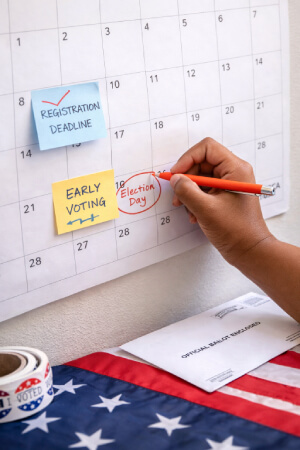
Key Dates to Remember
- Registration deadline: Last day to register before an election.
- Early voting period: Specific dates for in-person voting ahead of Election Day.
- Election Day: When polls are open and ballots must be submitted.
- Deadline to submit vote-by-mail ballots: Ensure your mailed ballot is postmarked or dropped off on time.
Marking these dates in advance helps ensure you do not miss your chance to vote.
Rules for Vote-by-Mail and Absentee Voting
Vote-by-mail ballots provide convenience but require attention to detail:
- Ballots must be signed and returned according to instructions.
- Some elections allow drop boxes or in-person submission.
- Missing the signature or submitting late can result in a rejected ballot.
Understanding these rules ensures your vote is counted and avoids common mistakes.
Staying Informed and Engaged
Being a responsible voter goes beyond marking a ballot. Staying informed about local issues, public debates, and civic initiatives allows you to make decisions aligned with community needs. Los Angeles offers resources through the county registrar, local media, and public forums.
Engagement also includes attending town halls, public meetings, and candidate forums, even if you are not focusing on individual candidates. These events provide insight into local governance, policies, and community priorities.
Civic Participation Starts with Preparation
Preparing for local elections in Los Angeles is a vital step in shaping your community. By understanding the election landscape, registering properly, reviewing ballots in advance, and staying informed, you ensure that your voice is heard. Participation extends beyond casting a vote; engaging with local initiatives, attending meetings, and keeping track of city developments strengthens democracy at the local level.
Last week, our office hosted the final public hearing for the 2026 Election Administration Plan (EAP). The EAP is informed by valuable input from community members, advocacy groups, and election experts. pic.twitter.com/fGfdP39tgm
— Los Angeles County Registrar-Recorder/County Clerk (@LACountyRRCC) December 9, 2025
Karen Bass won the race for mayor of Los Angeles, becoming the first woman elected to lead the nation’s second-largest city. The veteran Democratic congresswoman will bring to the job a long history of coalition-building, dating to the 1980s. https://t.co/5Dezipj7g5 pic.twitter.com/8mOrpIq1Wz
— The New York Times (@nytimes) November 17, 2022